
Emotional development starts long before a baby understands words. From the very beginning, babies communicate through facial expressions, sounds, and body language. They depend on caregivers to help make sense of these feelings and to feel safe as they experience them. The connection built during this time becomes the base for emotional wellbeing.
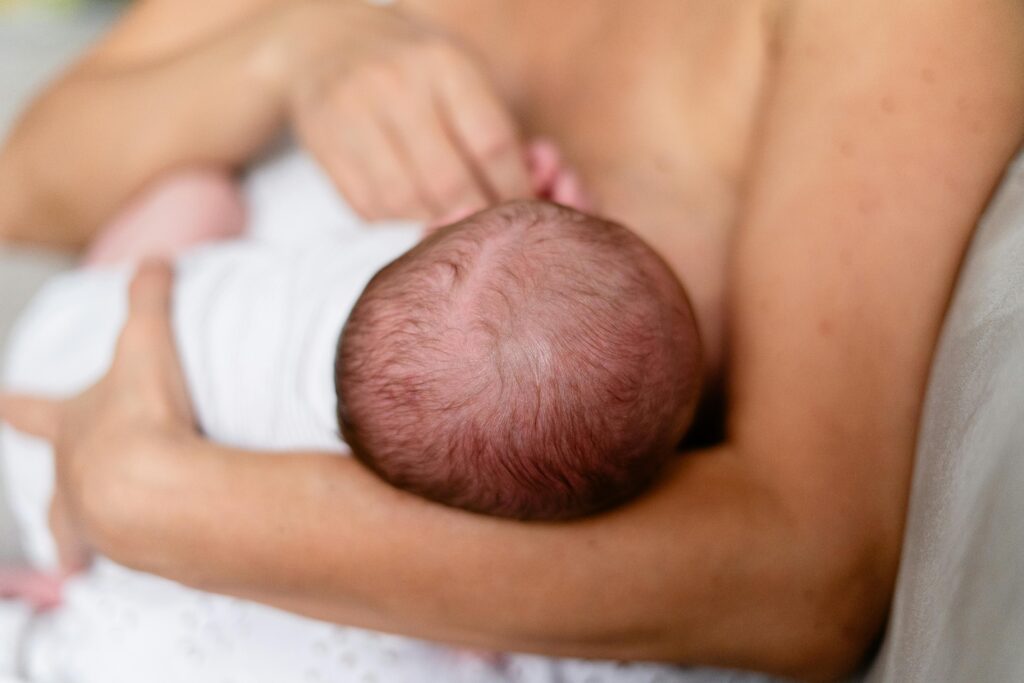
When parents respond with warmth to crying, offer comfort during hard moments, and share in joyful ones, a baby’s brain begins to build a sense of trust and security. This early attachment plays a big role in shaping confidence, social relationships, and how a child handles challenges later on.
One of the most important parts of this process is paying attention to your baby’s cues. Small changes in expression, tone, or movement all mean something. When caregivers notice and respond in a steady way, babies learn that their needs matter and that they can rely on the people around them.
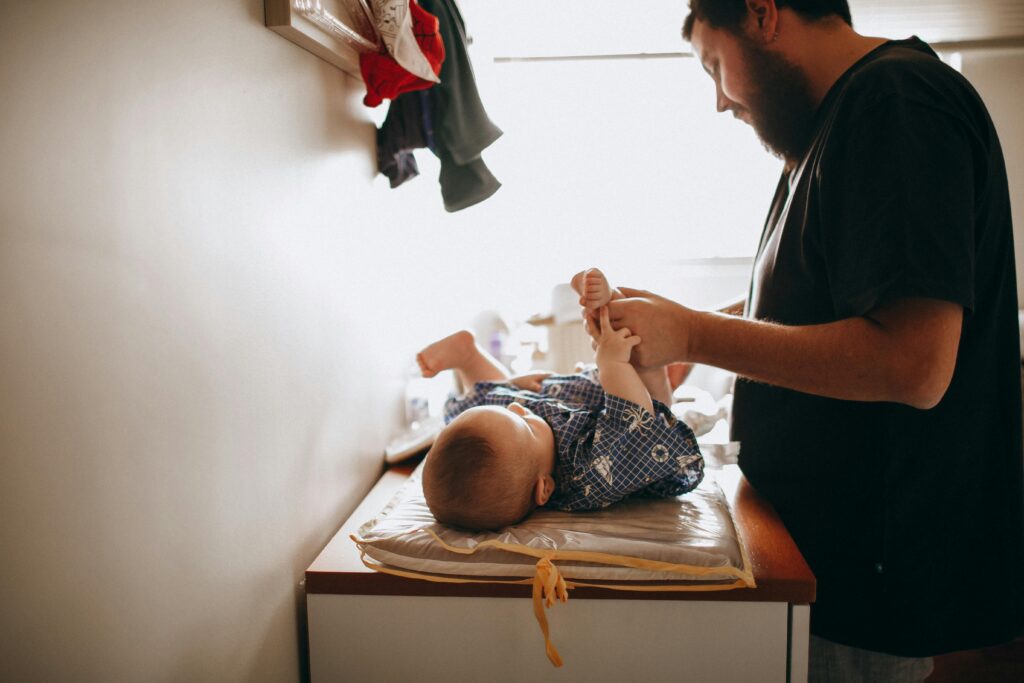
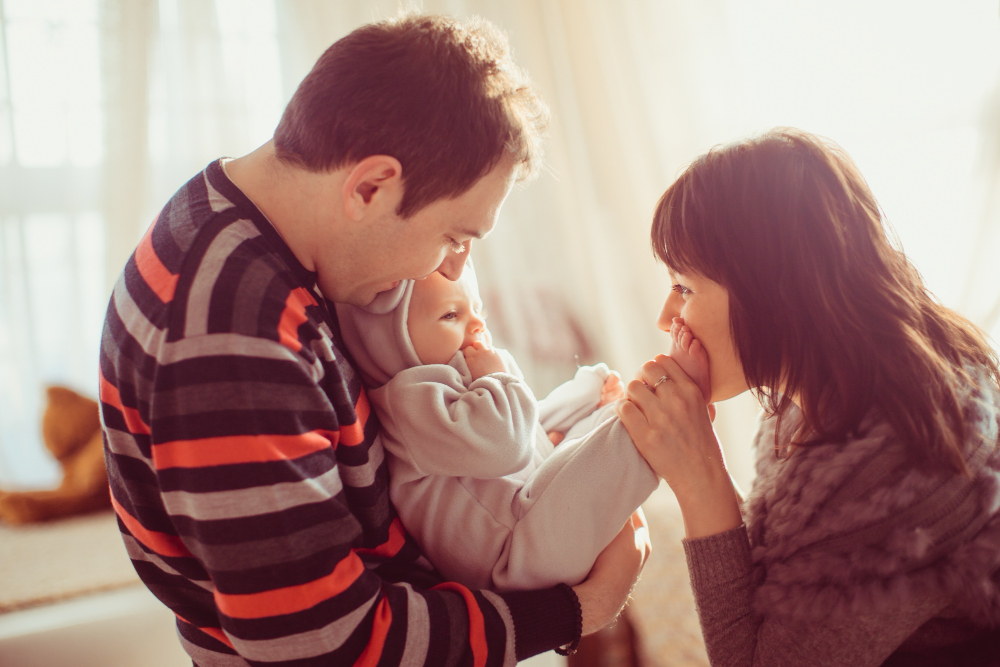
Everyday routines also support emotional growth. Face to face time, reading together, gentle play, and soothing responses all help babies learn about connection and communication. These simple interactions support the development of empathy and emotional regulation.
Taking care of your own emotional wellbeing matters too. Babies are very sensitive to the emotional environment around them. When caregivers feel supported and calm, babies are more likely to feel secure. Asking for help, taking breaks, and practicing self care allow you to show up with more patience and warmth.
The first year is about more than sleep schedules and milestones. It is a time when emotional foundations are being formed, and the small, everyday moments you share with your baby truly matter.